

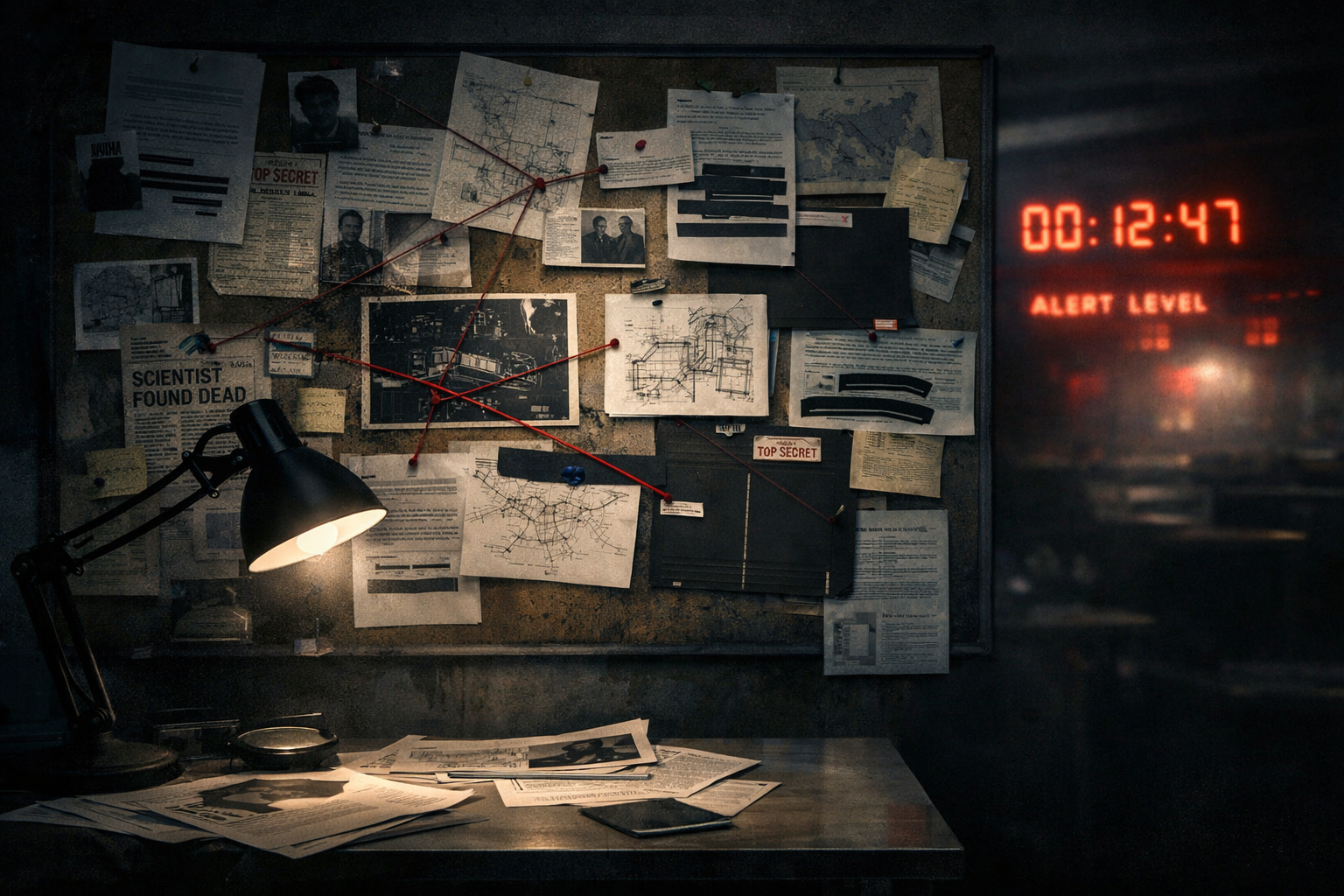
Not every conspiracy theory becomes fact. But history has taught the public a tougher lesson than institutions like to admit: sometimes the warnings are real, the signals are there, and the pattern is only acknowledged after the damage is done.
Before 9/11, the threat wasn’t invisible. It was fragmented, discounted, or left unconnected until catastrophe forced clarity. The lesson was never that every suspicion was correct. It was that official confidence can fail even when warning signs already exist.
That memory is part of what gives the present moment its darker edge. There are now 11 publicly cited cases of U.S. scientists linked to nuclear, aerospace, or other sensitive research who reportedly died or disappeared under unusual circumstances, with Amy Eskridge now being discussed as part of that count. Officials are reviewing whether any broader pattern exists, while also emphasizing that no confirmed link has been established across the cases.
At moments like this, public unease rarely develops in a vacuum. People have seen enough to believe that some actors speak the language of patriotism while helping erode the conditions that sustain a nation. They have also seen enough to recognize that volatility can serve economic interests, political leverage, and strategic advantage. Over time, sustained instability not only moves markets or headlines. It erodes trust, deepens strain, and weakens the social fabric holding a country together.
That is where stories like Jericho, the mythology around Operation Blackjack, and revived chatter about Malachy’s Prophecy begin to re-enter the public consciousness. Not because fiction becomes proof, and not because prophecy becomes evidence, but because periods of low trust make people look for the map before institutions are ready to draw one. Add renewed anxiety over nuclear expertise or material reaching illicit markets, and the boundary between warning, fear, memory, and speculation starts to feel thinner than it should.
The deeper issue is not whether every theory is true. It is whether the public has seen enough real failures, missed warnings, bad incentives, and delayed transparency to assume that unanswered questions may matter more than official reassurance. That is the condition unstable periods create. Silence stops sounding neutral. Coincidence begins to feel provisional. Every unresolved death, disappearance, or institutional pause starts to carry more weight than it otherwise would.
Leave a Reply